Modern story house built from scratchinto comfort and usability
Lorem ipsum dol amet consectetu adipiscing elit, seding doi eiusmod.



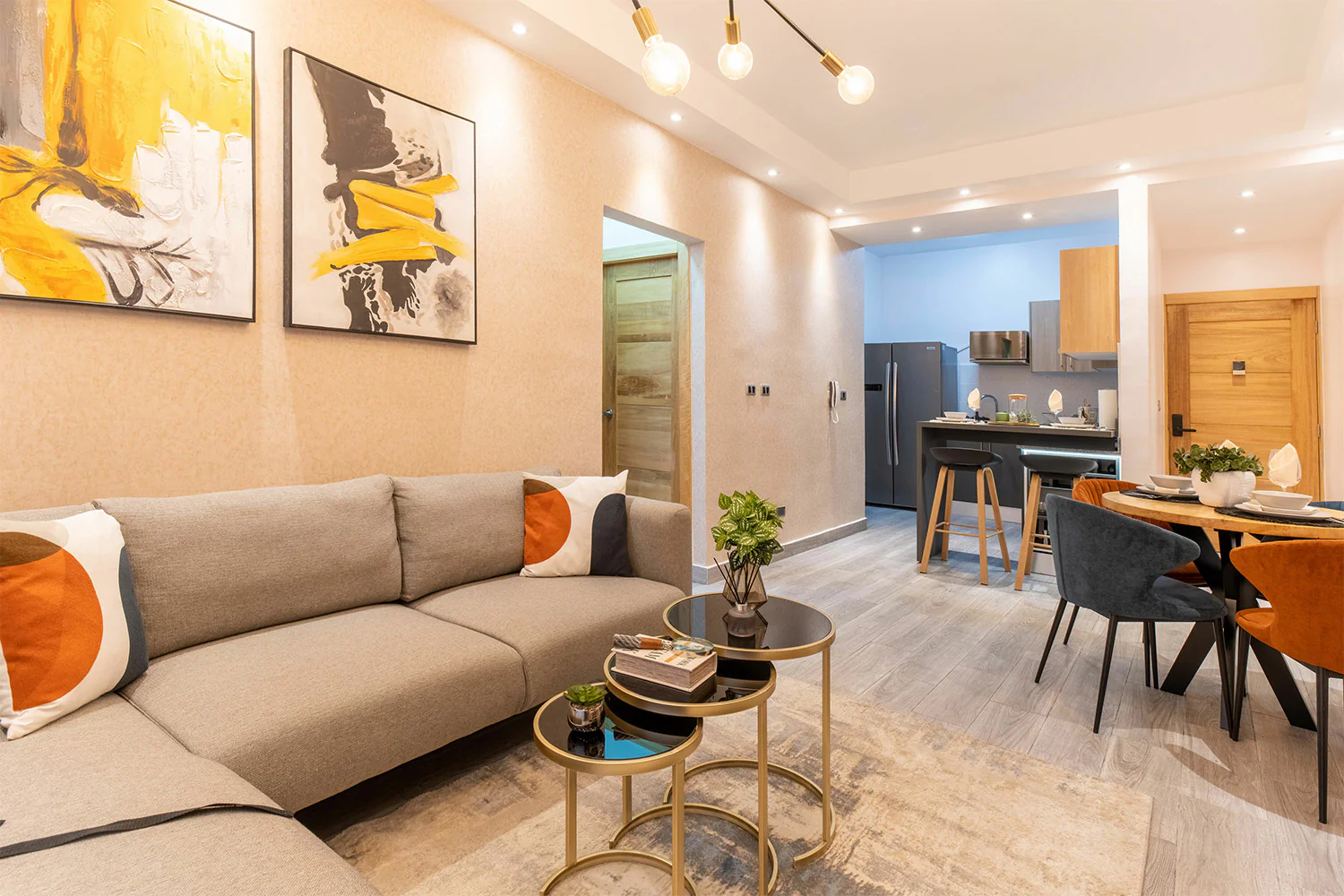
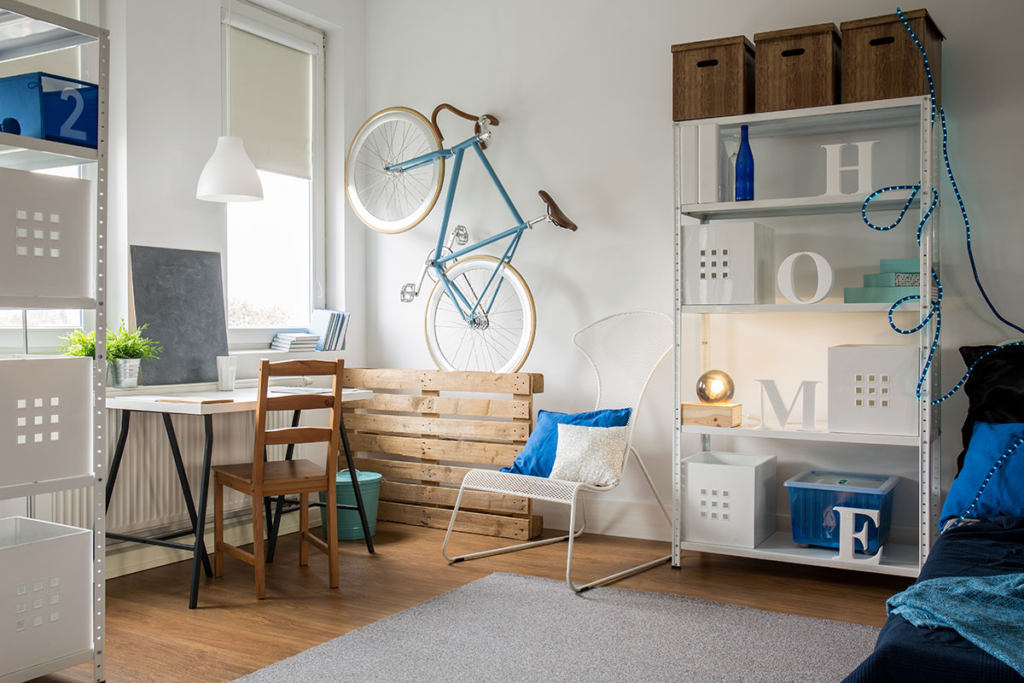
Living in a small home does not mean living with less comfort, less beauty, or less function. In fact, a compact apartment can often feel more intentional, efficient, and personal than a larger house—when the space is planned correctly. The real challenge is not simply the number of square feet. The challenge is how every wall, corner, cabinet, passageway, and piece of furniture works together.
This is where the idea of “expanding” a small home becomes important. Small-space expansion does not always mean physically adding more area. It means making the home feel more open, organized, flexible, and visually balanced. Through smart layout planning, custom storage, multifunctional furniture, clean visual lines, and thoughtful material choices, a small apartment can support daily life without feeling crowded.
NANHONGDINGYU’s design direction fits this topic well because the brand focuses on whole-home custom interiors, including layout planning, material selection, design development, manufacturing, installation, and after-sales support. The company also highlights 3D design previews and end-to-end customization, which are especially useful for small homes where every inch matters.
Many people think small-space design is only about adding more cabinets. Storage is important, but it is only one part of the solution. A small home can still feel cramped even with plenty of cabinets if the layout is confusing, the furniture is oversized, the lighting is poor, or the colors make the room feel heavy.
True expansion is about balance. The home needs enough storage to reduce clutter, but it also needs breathing room. It needs practical zones, but those zones should not cut the space into tiny, uncomfortable sections. It needs furniture, but the furniture should support movement instead of blocking it.
A small home becomes better when three types of space are improved.
First, there is visual space. This is how open and bright the home appears. Light colors, clean lines, glass, mirrors, hidden storage, and low-profile furniture can all make a room feel larger.
Second, there is functional space. This is how easily the home supports everyday activities. Can you cook without feeling blocked? Can you store seasonal items? Can you work, relax, eat, and sleep without the home feeling chaotic?
Third, there is emotional space. This is how calm the home feels. A small apartment with too many objects, colors, and exposed items can feel stressful. A well-designed small home should feel peaceful, controlled, and easy to maintain.
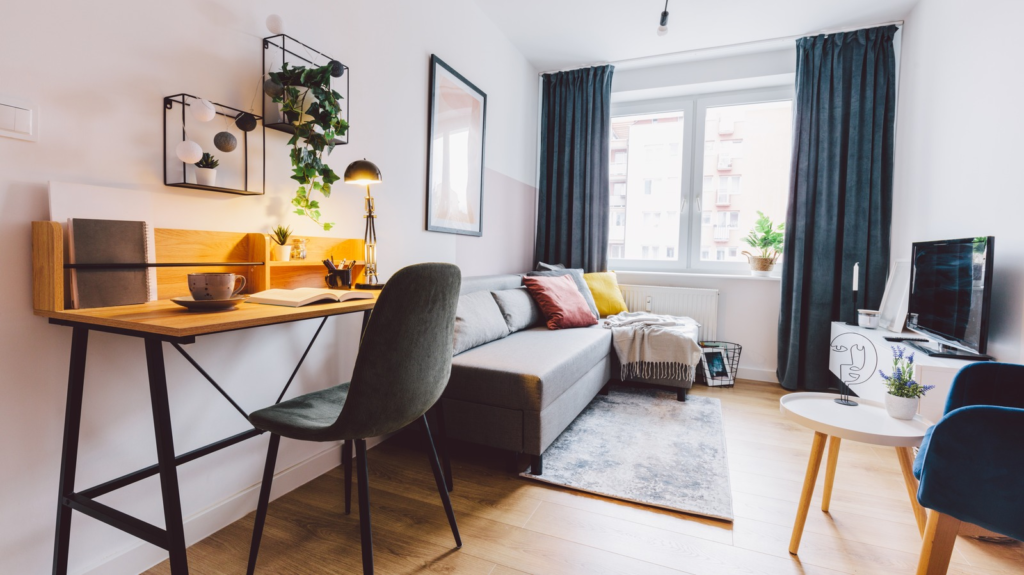
Before buying furniture or designing cabinets, the first step is to understand how the home will be used. A small apartment usually needs to support several functions at once: living, dining, sleeping, working, cooking, storage, and sometimes hosting guests.
Instead of treating the whole home as one crowded area, divide it into clear zones. The living area should support relaxation. The dining area should be easy to access. The kitchen should have smooth movement between preparation, cooking, and cleaning. The bedroom should feel quiet and protected. The entryway should prevent shoes, bags, and daily items from spreading into the rest of the home.
The goal is not to build hard walls everywhere. In small homes, soft zoning often works better. A rug, a lighting fixture, a cabinet, a sofa back, or a change in material can define a zone without closing the room.
One of the fastest ways to make a small home feel larger is to improve circulation. Circulation means the way people move through the space. If the walkway from the entry to the living room is blocked by furniture, the home will immediately feel smaller. If cabinet doors hit other furniture, the room will feel poorly planned.
A good small-space layout should have clear movement lines. Avoid placing large furniture in narrow paths. Choose sliding doors when swing doors take up too much room. Use rounded corners or slim furniture in tight areas. Leave enough space around key zones such as the bed, dining table, kitchen counter, and wardrobe.
Large furniture can make a small home feel visually heavy. This does not mean every piece must be tiny. It means the scale must be correct.
For example, a compact sofa with slim arms may work better than a bulky sectional. A wall-mounted desk may work better than a full office table. A storage bed may work better than a traditional bed frame with unused space underneath. A narrow dining table or extendable table can support daily meals without taking over the room.
The best furniture for small homes usually has clean shapes, raised legs, hidden storage, or multiple functions.
Small homes often have limited floor area, but many of them have unused vertical space. Tall cabinets, full-height wardrobes, wall shelves, and overhead storage can greatly increase capacity without taking up extra floor space.
In the living room, a full-height TV wall cabinet can combine display, closed storage, media storage, and decorative niches. In the bedroom, a wardrobe that reaches the ceiling can store seasonal bedding and clothing. In the entryway, vertical shoe cabinets can keep the floor clean and organized.
The key is to avoid making vertical storage look too heavy. Use simple cabinet fronts, soft colors, integrated handles, and balanced open shelves. This keeps the storage powerful but visually light.
Random storage furniture often wastes space because it does not match the wall dimensions exactly. A freestanding cabinet may leave gaps at the side, above, or behind it. Those gaps are small individually, but in a small home, they add up.
Built-in cabinetry solves this problem by fitting the actual dimensions of the home. It can wrap around beams, follow wall shapes, use corners, and connect multiple functions into one clean system. This is why whole-home customization is so valuable for compact apartments. NANHONGDINGYU’s service model includes measurement, layout planning, design development, production, delivery, and installation, which supports a more precise approach than simply buying ready-made furniture.
Open shelves look beautiful in photos, but too many open shelves can make a small home feel messy. In real life, daily objects come in different colors, shapes, and sizes. When everything is visible, the room feels busier.
For small apartments, a good rule is to combine closed storage with a small amount of open display. Use closed cabinets for daily items, cleaning tools, documents, wires, snacks, and extra supplies. Use open shelves only for carefully selected objects such as books, plants, ceramics, or framed photos.
This creates a cleaner visual field and makes the home easier to maintain.
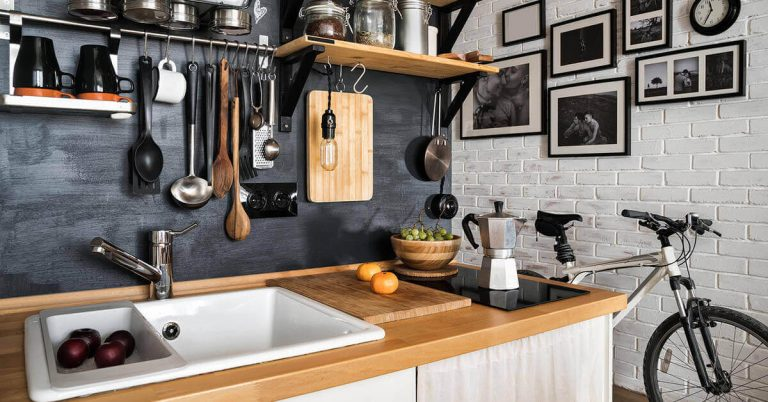
In a small home, the living room often has to do more than one job. It may be a lounge area, entertainment area, reading corner, guest area, and storage zone. Instead of filling it with separate pieces, combine functions.
A custom TV wall can include hidden storage, a display area, and space for devices. A sofa with storage under the seat can hold blankets or seasonal items. A nesting coffee table can expand when needed and tuck away when not in use. A side cabinet can work as both storage and a decorative surface.
The living room should feel open, not empty. The right design gives it enough function without making it look crowded.
The bed takes up a large part of any bedroom. In a small apartment, it should not be only a sleeping surface. It can also become a storage platform.
A storage bed can hold bedding, winter clothes, luggage, or rarely used items. A headboard can include shelves, lighting, drawers, or hidden compartments. A wardrobe can be designed around the bed to create a compact sleeping and storage zone.
However, bedroom storage should still feel calm. Avoid too many exposed shelves near the bed. Use soft colors, quiet materials, and simple cabinet lines to keep the room restful.
Many small apartments do not have a separate dining room. The dining area may sit between the kitchen and living room, or it may share space with a work zone. Flexibility is important.
An extendable dining table is useful for people who host guests occasionally. A wall-mounted folding table can work in very compact spaces. A built-in bench with storage underneath can save space compared with multiple chairs. A slim sideboard can store tableware while also acting as a serving surface.
The dining area should not block daily movement. It should feel like a natural part of the home instead of a leftover corner.
The entryway is small, but it has a huge effect on the whole home. If shoes, umbrellas, bags, packages, and keys pile up at the entrance, the apartment immediately feels messy.
A good entryway system should include shoe storage, hooks, a small surface for keys, a mirror, and possibly a bench. If space allows, a tall entry cabinet can store cleaning tools, outdoor items, and seasonal accessories.
Even a narrow entryway can work well with slim cabinets and wall-mounted storage. The goal is to stop clutter before it enters the living area.
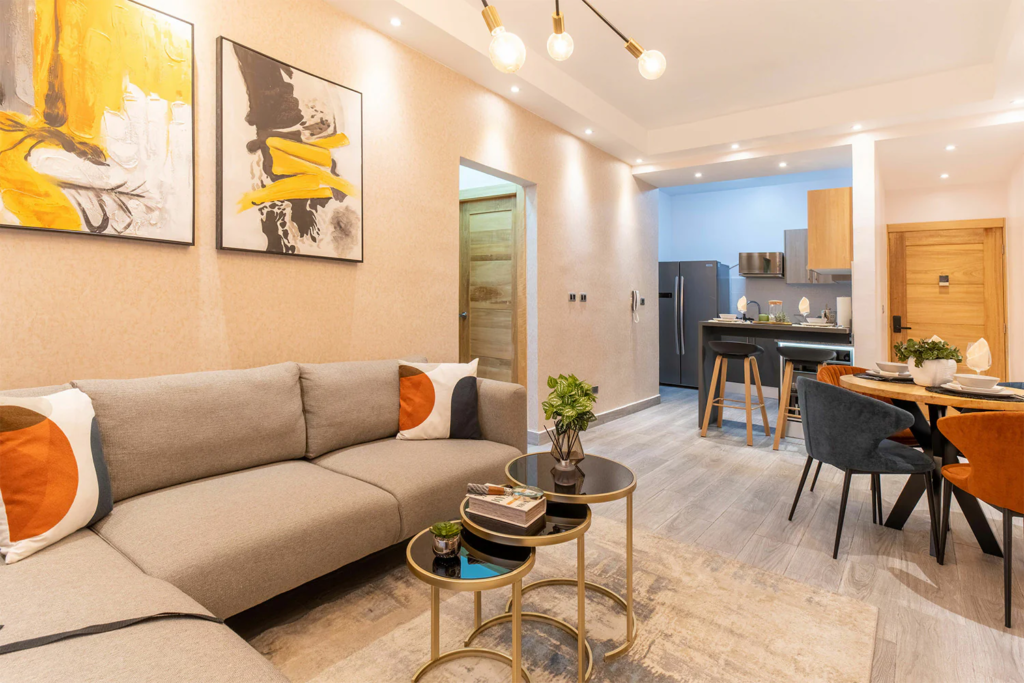
Light colors help small homes feel brighter and more open. White, warm beige, soft gray, light wood, cream, and pale taupe are all strong choices. These tones reflect light and make walls and cabinetry feel less heavy.
A light base does not mean the home must look plain. You can add depth through texture, wood grain, fabric, stone patterns, metal accents, or soft contrast. The important point is to keep the main surfaces calm and connected.
Too many different materials can make a small home feel fragmented. For example, if the kitchen uses one cabinet color, the living room uses another, the wardrobe uses a third, and the entryway uses a fourth, the home may feel visually broken.
A stronger approach is to repeat materials across rooms. The same wood tone can appear in the entry cabinet, TV wall, wardrobe, and dining storage. The same handle style can be used throughout the home. The same wall color can connect different zones.
This creates flow. When the eye moves smoothly from one area to another, the home feels larger.
Small homes can still use dark colors, but they should be used with intention. A dark accent wall, black metal frame, walnut cabinet, or deep green detail can add character. The key is to balance it with lighter surfaces.
For example, a small living room may use light walls, a light sofa, and a warm wood TV cabinet with black handles. A bedroom may use cream walls, a pale wardrobe, and a darker headboard for contrast. This keeps the design rich without making the room feel closed in.
Natural light is one of the most powerful tools in small-space design. Avoid blocking windows with large furniture or heavy curtains. Use light-filtering curtains, sheer fabrics, or blinds that can fully open during the day.
Place reflective surfaces near natural light when possible. A mirror across from a window can help bounce light deeper into the room. Glossy tiles, glass cabinet doors, or light-colored walls can also improve brightness.
A single ceiling light is rarely enough. It can create shadows and make the room feel flat. Small homes benefit from layered lighting.
Use ceiling lights for general brightness. Add under-cabinet lighting in the kitchen. Use wall sconces or pendant lights near the dining area. Add reading lights beside the bed. Use LED strips inside display cabinets or under shelves.
Layered lighting makes the home feel warmer, deeper, and more spacious at night.
Hidden lighting is especially useful in small homes because it adds atmosphere without adding physical clutter. LED strips under cabinets, behind mirrors, under floating shelves, or along ceiling details can create a soft glow.
This makes the space feel more designed and less cramped. It also helps define zones without adding bulky partitions.
Small kitchens need careful planning. Standard cabinets can waste space if the internal organization is poor. Use pull-out baskets, corner organizers, drawer dividers, spice racks, vertical tray storage, and tall pantry units.
Deep drawers are often more practical than lower cabinets with doors because they allow easier access. Wall cabinets can reach the ceiling to store less-used items. Narrow gaps can become pull-out storage for bottles, trays, or cleaning supplies.
A cluttered countertop makes a small kitchen feel even smaller. Try to store appliances inside cabinets when possible. Use wall rails, hidden appliance garages, or pull-out shelves to reduce visual mess.
The countertop should support cooking, not become permanent storage. The fewer items left outside, the larger and cleaner the kitchen will feel.
In many small apartments, the kitchen is open or semi-open. This can make the home feel larger if the design is consistent. Use cabinet colors and materials that connect with the living room. Avoid overly busy backsplash patterns. Keep appliances integrated when possible.
A small island or peninsula can create extra prep space, dining space, and storage. However, it should only be used if it does not block circulation.
A wardrobe should match the user’s real lifestyle. Some people need more hanging space. Others need drawers, shelves, bags, shoes, or accessories storage. Before designing the wardrobe, list what needs to be stored.
A good wardrobe may include long hanging space, short hanging space, drawers, open shelves, pull-out trays, jewelry storage, hidden mirrors, and high storage for seasonal items.
Swing wardrobe doors need clearance. In a small bedroom, that clearance can interfere with the bed or walkway. Sliding doors can save space and create a cleaner look.
However, swing doors may still be better in some layouts because they allow full access to the wardrobe. The choice depends on the room width, bed position, and user habits.
Wardrobe lighting improves function and makes the storage feel more premium. Small bedrooms often have limited light, so internal LED strips can make clothing easier to find. This small detail improves daily comfort and reduces frustration.
Mirrors are a classic small-space tool because they reflect light and create visual depth. A mirror in the entryway can make the entrance feel larger. A mirrored wardrobe door can expand a bedroom visually. A decorative mirror in the dining area can brighten the room.
The mirror should be placed carefully. It should reflect something clean and attractive, such as a window, artwork, or open area. If it reflects clutter, it will double the mess instead of the space.
Glass partitions, glass cabinet doors, and transparent furniture can help define areas without blocking light. For example, a glass divider between a bedroom and living area can create privacy while keeping the apartment open.
In very small homes, clear or lightly tinted glass often works better than solid walls. It gives separation without making the space feel boxed in.
People often buy many small storage boxes, shelves, and organizers to solve clutter. But too many small objects can make a room feel chaotic. It is usually better to design one larger, cleaner storage system than to scatter many small pieces around the home.
Walls are valuable in small homes. Wall-mounted desks, floating shelves, tall cabinets, hooks, and vertical storage can free up floor space. However, wall storage should still be planned carefully so it does not feel crowded.
A beautiful chair, table, or cabinet may not be right for a small apartment if it blocks movement or lacks storage. In compact homes, function must come first. Style should support the layout, not fight against it.
Small homes should be designed for today and tomorrow. A young couple may later need more storage. A remote worker may need a better home office. A family may need child-friendly storage. Flexible design makes the home more durable over time.
Small apartments cannot afford wasted corners, awkward gaps, or poorly sized furniture. Custom design starts from real measurements and real needs. This allows cabinets, wardrobes, desks, beds, and storage systems to fit the home precisely.
NANHONGDINGYU’s process includes consultation, measurement, design development, production, quality check, delivery, installation, and after-sales support, which helps homeowners move from planning to final installation with a structured workflow.
When every room is designed separately, a small home can feel visually inconsistent. Whole-home customization connects the entryway, living room, kitchen, bedroom, dining area, and storage systems into one complete design language.
This creates a stronger sense of order. It also makes the apartment feel more premium and more spacious.
Small-space renovation involves many decisions: layout, cabinet size, material, color, hardware, lighting, storage type, furniture scale, and installation sequence. A custom design process helps organize these decisions. With 3D previews and detailed drawings, homeowners can understand the final result before production begins. NANHONGDINGYU specifically emphasizes a “preview first, produce later” approach with 3D renderings, CAD drawings, and material samples.
A small home does not need to feel limited. With the right design strategy, it can become efficient, comfortable, beautiful, and deeply personal. The secret is to stop thinking only about square footage and start thinking about how the space works.
A successful small-space expansion plan should begin with layout. It should protect circulation, define zones, and choose furniture at the right scale. It should use custom storage to unlock walls, corners, vertical height, and hidden areas. It should rely on light colors, consistent materials, layered lighting, and clean visual lines. Most importantly, it should match real daily habits.
For homeowners who want a compact apartment to feel larger and easier to live in, whole-home customization is one of the most practical solutions. By combining planning, design, production, and installation, NANHONGDINGYU helps transform limited space into a smarter home—one that feels open, organized, and designed around real life.
Use a clear layout, light colors, hidden storage, multifunctional furniture, and open walkways. The goal is to reduce visual clutter while making every area serve a purpose.
Choose furniture with multiple functions, such as storage beds, extendable dining tables, nesting coffee tables, wall-mounted desks, and slim sofas with clean lines.
Yes. Custom cabinets can fit exact wall sizes, use vertical space, cover awkward corners, and create more storage without making the home feel crowded.
Light and neutral colors work best, such as white, cream, soft gray, beige, pale wood tones, and warm taupe. These colors help reflect light and create an open feeling.
Use closed storage, built-in cabinets, drawer organizers, entryway storage, and hidden compartments. Keep daily items easy to access, but avoid leaving too many objects visible.
A smart layout keeps movement smooth and separates living, dining, working, and sleeping zones clearly. Good planning helps a compact home feel organized, comfortable, and more spacious.
 03Jul
03Jul
 04Jul
04Jul
 by
by