Modern story house built from scratchinto comfort and usability
Lorem ipsum dol amet consectetu adipiscing elit, seding doi eiusmod.



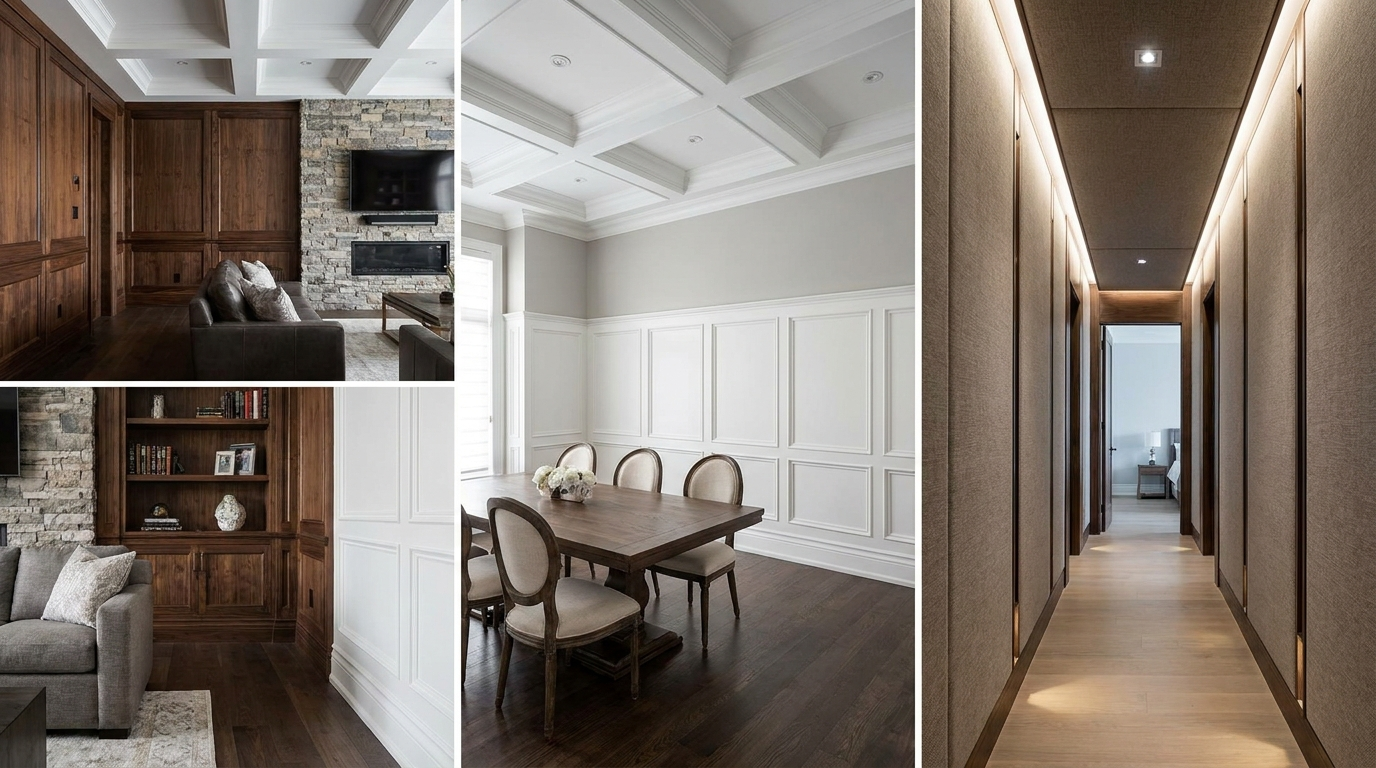
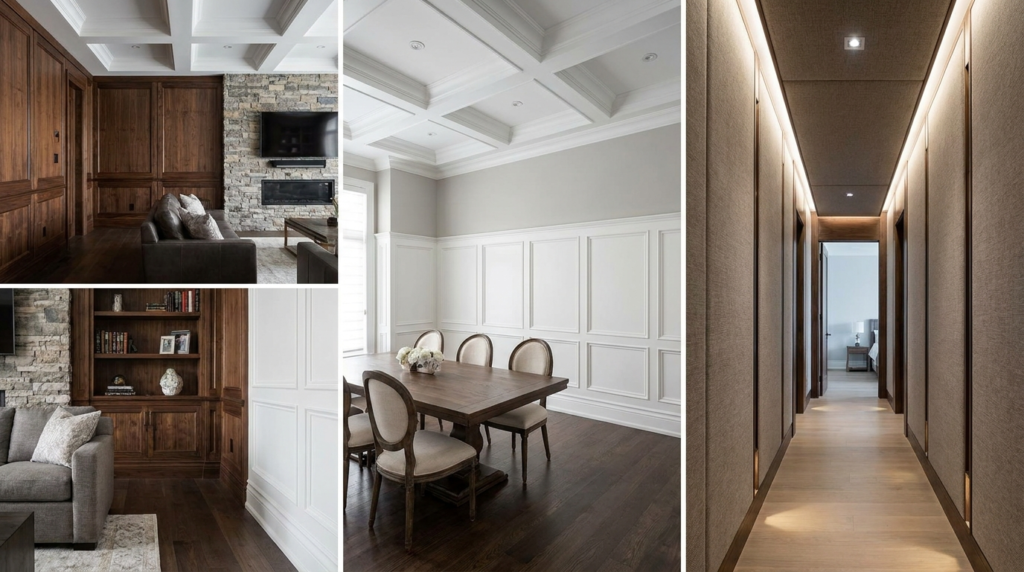
Whole-home wall panels have become one of the most effective ways to create a polished, cohesive, and highly personalized interior. Instead of treating each room as a separate design problem, wall panels allow the entire home to feel connected through material, color, texture, proportion, and architectural detail. For homeowners who want a space that looks custom, feels comfortable, and performs well in everyday life, full-house wall paneling offers both beauty and function.
A well-designed wall panel system can completely change the atmosphere of a home. It can make a living room feel more elegant, turn a bedroom into a calm retreat, define an entryway, protect high-traffic walls, and bring visual order to storage-heavy areas. Compared with plain painted walls, whole-home wall panels add depth, rhythm, and structure. They help a home feel finished, intentional, and built around the way people actually live.
For NANHONGDINGYU, whole-home wall panels are not simply decorative surfaces. They are part of a broader custom interior solution that connects layout planning, material selection, furniture design, storage systems, production, installation, and after-sales support. The goal is to make every wall contribute to the overall living experience.
Whole-home wall panels refer to decorative and functional wall systems used across multiple areas of a house or apartment. Instead of installing panels on only one accent wall, this approach considers the entire home as a unified design project.
In a whole-home paneling project, panels can appear in the living room, dining area, bedroom, hallway, entryway, study, wardrobe area, and multi-functional spaces. Each area may use a different panel style, but the overall design should feel connected.
For example, the living room may feature a refined TV background wall, while the bedroom may use softer textures behind the bed. The entryway may include more durable panels combined with storage cabinets, and the dining area may use a warm wood-tone surface to create a welcoming mood. The key is not to make every wall identical, but to make every wall feel like part of the same home.
Many people think wall panels are only for visual impact. In reality, they can also serve practical purposes. They can protect walls from scratches, hide uneven surfaces, integrate with lighting, support built-in storage, and create a stronger architectural feeling. When planned correctly, wall panels help combine interior design with everyday usability.
Whole-home wall panels are popular because they solve several design problems at once. They improve appearance, create consistency, and make rooms feel more complete.
One of the biggest challenges in home design is consistency. Many homes feel visually disconnected because each room uses different colors, furniture styles, materials, and wall treatments. Whole-home wall panels help solve this by creating a shared design language.
A home can use warm wood panels, soft neutral panels, fluted panels, stone-look panels, or modern flat panels. Once the main material direction is chosen, the designer can adjust the style for each room while maintaining a consistent look.
Flat painted walls can feel empty, especially in larger rooms. Wall panels introduce texture and shadow, making the space feel richer without adding unnecessary clutter. Even a simple panel layout can make a room look more premium.
Vertical panels can make ceilings feel taller. Horizontal lines can make walls feel wider. Large flat panels can create a minimalist luxury effect. Fluted or grooved panels can bring rhythm and movement to a simple space.
A home with wall panels often feels more custom because the surfaces are designed with intention. When panels align with cabinets, doors, lighting, furniture, and ceiling details, the entire room feels planned rather than randomly decorated.
This is especially important for homeowners who want a high-end look without relying on excessive furniture or accessories. The wall itself becomes part of the design.
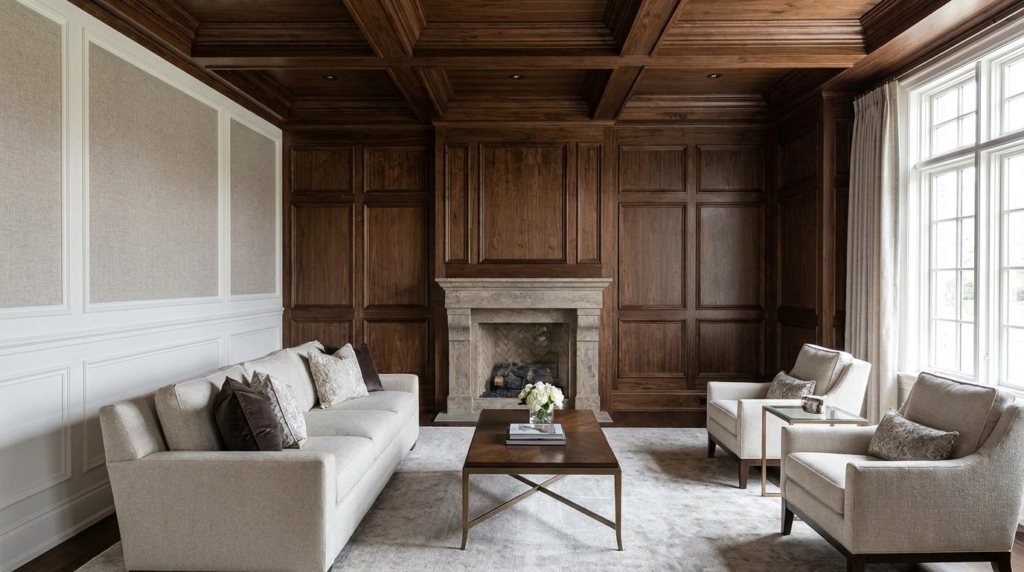
Whole-home wall panels work best when they are planned together with custom furniture and storage systems. This is where companies like NANHONGDINGYU can create a stronger result, because wall design, cabinetry, and spatial planning can be developed as one system.
In many modern homes, storage is a major design priority. Entryway cabinets, wardrobes, TV cabinets, sideboards, bookshelves, and kitchen storage all need to fit the home’s layout. Wall panels can help these storage areas feel more integrated.
For example, a TV wall can combine paneling, open shelving, hidden storage, and lighting. A bedroom wall can combine a headboard panel with bedside storage and wardrobe design. An entryway can combine wall panels with shoe cabinets, hooks, mirrors, and display areas.
When these pieces are designed together, the home looks cleaner and functions better.
Whole-home customization is not just about filling each room with furniture. It is about creating flow. The wall panels in one room should visually relate to the next room. The transition from the entryway to the living room, from the living room to the dining area, and from the hallway to the bedroom should feel natural.
This does not mean every panel has to match. Instead, the designer can use repeated colors, similar textures, related materials, or consistent line proportions to create harmony.
A successful full-house wall paneling project should consider how each area is used. Different rooms need different design strategies.
The living room is usually the visual center of the home, so it often receives the most detailed wall panel design. A TV background wall, sofa wall, or feature wall can define the room’s personality.
A TV wall should balance beauty and function. It can include flat panels, fluted panels, stone-look panels, wood textures, display shelves, hidden cabinets, and light strips. The goal is to frame the entertainment area without making it feel heavy.
For a modern home, a clean panel layout with built-in storage can reduce visual clutter. For a warmer home, wood-tone panels can make the living room feel comfortable and inviting.
The sofa wall is another important design opportunity. Instead of leaving it empty, panels can add structure behind the seating area. This can be done with vertical lines, soft neutral panels, large-format boards, or a combination of panels and artwork.
Bedroom wall panels should create comfort. The design should feel softer, calmer, and more personal than the living room.
A full-height headboard wall can make the bed area feel luxurious. Panels can extend from floor to ceiling or cover only part of the wall. Soft textures, warm wood tones, and muted colors work well in bedrooms.
A headboard panel can also be combined with bedside tables, wall lights, and hidden storage. This creates a hotel-like feeling while keeping the space practical.
Wall panels and wardrobes should be planned together. If the wardrobe doors, wall panels, and bed background use related materials, the bedroom will feel more spacious and organized.
The dining area should feel warm and social. Wall panels can help create a more intimate atmosphere, especially in open-plan homes.
A dining wall can use wood panels, decorative grooves, display shelves, or paneling combined with sideboards. The design should support both daily meals and special gatherings.
The entryway is the first impression of the home. It also handles shoes, bags, coats, keys, and daily movement. Wall panels can protect the wall while making the entrance feel more refined.
A strong entryway design may include durable panels, storage cabinets, a mirror, a bench, and lighting. The result is both beautiful and practical.
Hallways are often overlooked, but they have huge design potential. Paneling can turn a narrow corridor into a visually interesting transition space.
Vertical panel lines can make the hallway feel taller. Soft lighting can highlight texture. A consistent material palette can connect the hallway to the rest of the home.
For home offices, reading corners, or multi-purpose rooms, wall panels can create a more focused environment. They can frame bookshelves, define a desk area, or separate different functions within one room.
The right wall panel style depends on the home’s architecture, lifestyle needs, and desired mood.
Modern minimalist panels usually feature clean lines, flat surfaces, and subtle colors. They work well in apartments, contemporary homes, and spaces that need a calm, uncluttered look.
These panels are ideal for homeowners who want elegance without too much decoration.
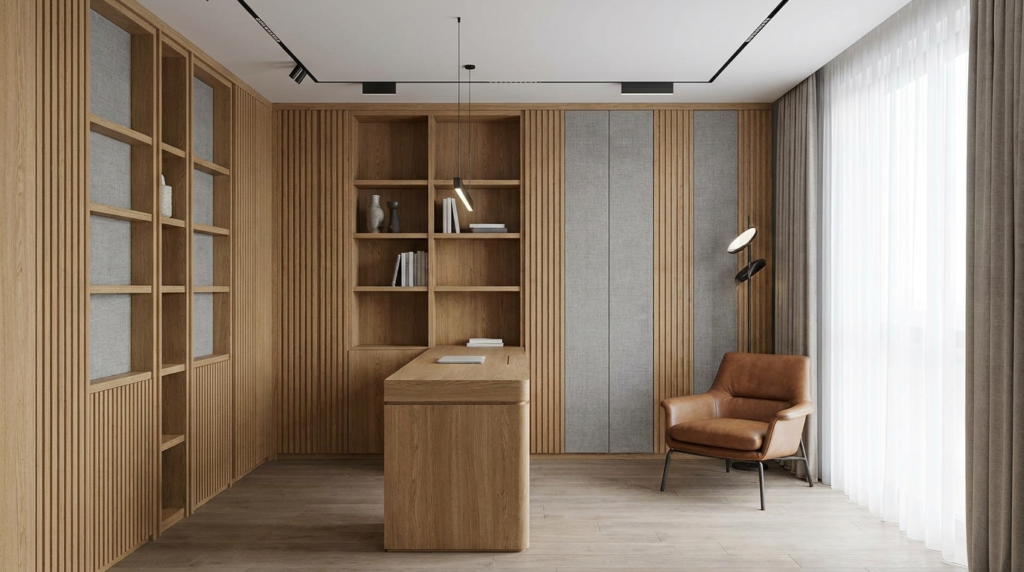
Wood-tone panels bring warmth and natural character. They are especially effective in living rooms, bedrooms, dining areas, and studies.
Light wood tones can make a home feel bright and airy. Darker wood tones can create a more mature and luxurious atmosphere.
Fluted panels add rhythm and texture. They are useful for feature walls, TV backgrounds, entryways, and hallway accents.
Because they create strong vertical lines, they can make a space feel taller and more architectural. However, they should be used carefully. Too many grooved surfaces can make a home feel busy.
Stone-look panels can create a premium effect without the weight and complexity of natural stone. They are often used in TV walls, dining areas, and feature walls.
When paired with wood panels, lighting, and simple furniture, stone-look panels can make a space feel refined and upscale.
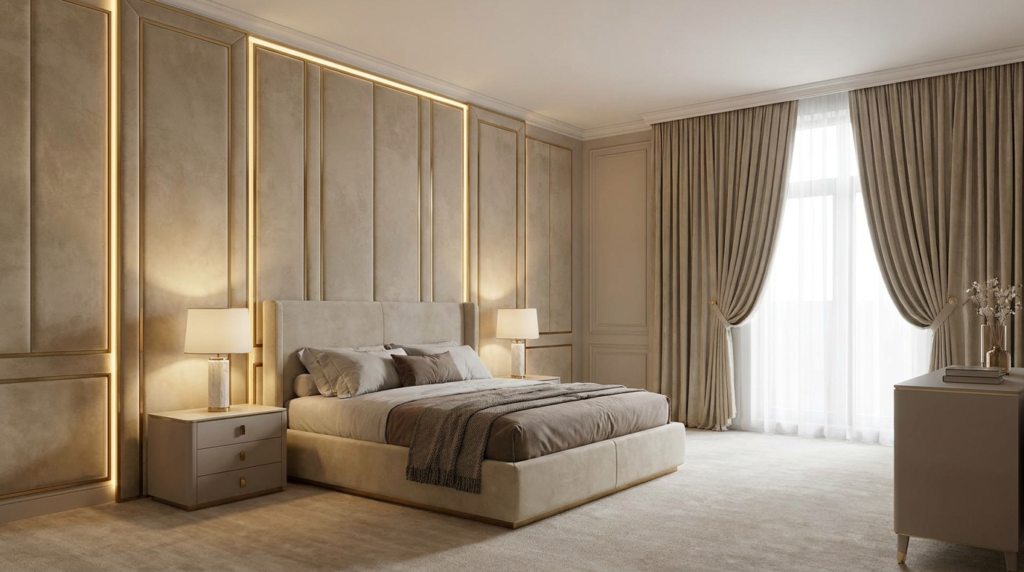
Neutral panels in beige, gray, cream, or warm white are versatile. They work well in bedrooms, living rooms, and whole-home projects where the goal is quiet elegance.
Neutral panels are also easy to match with furniture, curtains, flooring, and lighting.
Material selection affects appearance, durability, maintenance, and cost. A good design team should help homeowners choose materials based on both style and daily use.
Homes are lived in every day. Wall panels should not only look good in renderings; they should also perform well after installation. High-traffic areas such as entryways, corridors, dining spaces, and children’s rooms need surfaces that are easier to clean and more resistant to daily wear.
In a full-house project, color consistency is important. Even small differences in tone can affect the final result. Material samples should be reviewed carefully before production. Lighting conditions should also be considered because the same material can look different in natural light, warm light, or cool light.
Wall panels should match cabinets, flooring, doors, hardware, and furniture. If the panels are selected separately from the rest of the home, the final design may feel disconnected.
This is why an integrated custom process is valuable. When material selection, cabinetry design, and wall panel planning happen together, the home feels more complete.
NANHONGDINGYU’s approach focuses on making whole-home customization clearer and easier for homeowners. Instead of asking clients to manage separate designers, suppliers, factories, and installers, the process can be organized from planning to production and installation.
A successful project begins with understanding the homeowner’s needs. This includes lifestyle habits, storage requirements, preferred style, budget, room dimensions, and renovation timeline.
Accurate measurement is essential. Wall panels must fit the actual site conditions, not just a rough idea of the floor plan. Door openings, ceiling height, outlets, switches, beams, windows, and existing structures all affect the final design.
After measurement, the design team can develop layout plans, wall panel concepts, cabinet structures, material combinations, and visual direction.
This stage is where the whole-home idea becomes clear. The designer decides which walls should be highlighted, which surfaces should stay simple, where storage should be integrated, and how each room should connect visually.
A 3D preview is especially useful for wall panel projects because it allows homeowners to see the design before production. This helps reduce uncertainty and prevents misunderstandings.
Clients can review the color, proportion, panel layout, cabinet relationship, and overall mood before confirming the design. This “preview first, produce later” method helps make the final result more predictable.
Once the design is approved, the panels and related custom furniture pieces can move into production. Factory production helps improve accuracy, consistency, and efficiency.
Before delivery, panels should be checked for size, finish, color, edge treatment, and installation readiness. Quality control is important because wall panels are highly visible. Small mistakes can affect the whole room.
Installation is the stage where design becomes reality. The panels need to align properly with cabinets, ceilings, floors, corners, switches, and lighting. Good installation can make a simple design look premium, while poor installation can ruin even the best concept.
For whole-home projects, coordination matters. Wall panels, cabinets, lighting, and other interior elements should be installed in the correct order to avoid delays and rework.
A reliable whole-home customization company should provide support after installation. Homes continue to settle, families continue to use the space, and small adjustments may be needed over time.
After-sales service gives homeowners more confidence, especially for larger projects that involve many rooms and custom components.
A beautiful wall panel project does not happen by accident. It requires planning, proportion, restraint, and attention to detail.
Not every wall needs to become a dramatic focal point. If every room has heavy patterns, strong colors, or complex panel shapes, the home may feel overwhelming. A better approach is to choose a few important walls for visual impact and keep the rest more refined.
A whole-home project should usually use a limited material palette. Too many finishes can make the home feel chaotic. A strong design may use one main panel material, one secondary material, and one accent material.
Lighting can completely change how wall panels look. Hidden light strips, wall washers, pendant lights, and warm ambient lighting can highlight panel texture and depth.
However, lighting should be planned early. If lighting is added too late, it may not align with the panel structure.
Wall panels should respond to furniture placement. A sofa wall should align with the sofa. A bed wall should frame the bed. A TV wall should support comfortable viewing. A dining wall should relate to the table and sideboard.
Design should not only look good in an empty room. It should work with real furniture and real movement.
Trends change quickly. Whole-home wall panels should feel current, but they should not rely too heavily on short-lived trends. Neutral colors, balanced proportions, and quality materials usually age better than overly complicated designs.
Even though wall panels can improve a home dramatically, poor planning can create problems.
Some homeowners choose a panel style before thinking about the whole layout. This can lead to mismatched walls, awkward proportions, or panels that do not align with cabinets and furniture.
The better method is to plan the space first, then select panels that support the design.
Real homes have uneven walls, pipes, beams, outlets, and structural limitations. A design that looks perfect on paper may need adjustments on site.
This is why measurement and technical review are important before production.
A home with too many panel colors can feel visually broken. For full-house projects, consistency is more important than novelty. Variation can be beautiful, but it should be controlled.
Some finishes look impressive but may be difficult to clean or maintain. Families with children, pets, or heavy daily use should choose practical materials for high-contact areas.
Whole-home wall panels can transform a house from basic to refined. They help organize the interior, create visual harmony, protect walls, and express personal style. When combined with custom cabinetry, thoughtful storage, and professional installation, they become part of a complete living system.
For homeowners who want a more beautiful and better-planned home, full-house wall paneling is not just a decorative upgrade. It is a smart design strategy. It brings structure to open spaces, warmth to private rooms, elegance to public areas, and consistency to the entire home.
NANHONGDINGYU understands that every home has different needs. Some families need more storage. Some want a warmer living room. Some want a cleaner modern style. Some want a complete renovation that feels coordinated from the entrance to the bedroom. With a process that includes planning, design, material selection, production, installation, and after-sales service, NANHONGDINGYU helps homeowners turn wall panels into a complete whole-home interior solution.
Walls are more than background surfaces. They shape the mood, comfort, and quality of every room. Whole-home wall panels allow homeowners to design with more intention, turning plain walls into architectural features that support daily life.
When planned professionally, wall panels can connect the living room, bedroom, dining area, entryway, hallway, and custom storage systems into one unified interior. They make the home feel cleaner, warmer, more organized, and more personal.
For anyone planning a modern custom interior, whole-home wall panels are a powerful place to start. With the right design partner, the result is not just a better-looking wall. It is a better-planned home.
Whole-home wall panels are decorative and functional wall systems designed for multiple areas of a home, such as the living room, bedroom, hallway, dining room, and entryway. They help create a more cohesive, custom, and finished interior.
Wall panels add texture, depth, and structure that plain painted walls often lack. They can also protect walls, hide surface imperfections, improve visual flow, and make the home feel more refined.
Whole-home wall panels work well in living rooms, bedrooms, dining areas, entryways, hallways, studies, and custom storage areas. Each room can use a different panel style while still maintaining a unified home design.
Yes. Wall panels can be customized by material, color, texture, size, layout, and finish. They can match modern, minimalist, luxury, natural, or warm interior styles.
No. Besides improving the look of a space, wall panels can protect walls, integrate with storage cabinets, support lighting design, and help organize the overall interior layout.
NANHONGDINGYU provides a complete customization process, including consultation, measurement, design planning, material selection, 3D preview, production, installation, and after-sales support.
 03Jul
03Jul
 04Jul
04Jul
 by
by